/tire_camera_02_sized.png?width=400&height=400&name=tire_camera_02_sized.png)
For drivers who live life on the edge, the TrackAttack Pro takes track dominance to the street.
/TAR_02_sm_sized.png)
Developed for drivers who demand uncompromising performance, the TrackAttack Race redefines the benchmark for total dominance.
The next evolution of Hoosier's legendary DOT competition tire lineup has arrived. Replacing the iconic A7 and R7, the all-new TrackAttack Race A8 and R8 are engineered for drivers who demand maximum performance, faster lap times, and unwavering confidence on the track. Developed through years of refinement and real-world testing, TrackAttack Race delivers the responsiveness, consistency, and grip needed to attack every corner with precision.
Next-Generation Race Performance
Engineered to build upon the success of the legendary A7 and R7 with enhanced grip, responsiveness, and consistency.
TrackAttack Race A8 Compound
A medium-compound design delivering ultimate race traction and peak performance for autocross, time attack, and sprint racing applications.
TrackAttack Race R8 Compound
A harder, higher heat-tolerant compound engineered for durability and consistency during longer, high-temperature track sessions.
Instant Turn-In Response
Designed to provide responsive handling and planted stability when attacking corners at speed.
Race-Proven Development
Refined through extensive testing and racer feedback to deliver the performance drivers expect from Hoosier competition tires.
The TrackAttack Race A8 and R8 continue Hoosier's commitment to innovation by delivering a competition-focused tire platform engineered for control, consistency, and speed. Whether maximum grip or long-run durability is your priority, TrackAttack Race is designed to help you get the most from every lap.
/Circuit-Slick_sized.png)
Dominate the road course with the absolute ultimate in track-day traction. Engineered strictly for the asphalt, the Hoosier Circuit Racing Slick delivers a massive, unbroken contact patch designed to maximize mechanical grip, sharpen turn-in response, and stabilize deep braking zones.
Built for competitors who demand every ounce of performance, Hoosier Circuit Racing Slick Tires are engineered to deliver maximum grip, precise handling, and race-winning consistency on road courses across North America. Available in radial and bias-ply constructions with multiple compound options, these purpose-built racing slicks provide the traction and responsiveness needed to compete at the highest levels of circuit racing.
Maximum Dry-Surface Grip
A full slick tread design maximizes the tire's contact patch, delivering exceptional traction and cornering performance on dry racing surfaces.
Multiple Compound Options
Available in a variety of compounds, allowing teams and drivers to optimize performance for track conditions, vehicle setup, temperatures, and race duration.
Hoosier offers construction options tailored to different vehicle platforms and racing classes, ensuring drivers can find the ideal fit for their application.
Precision Steering Response
Engineered to provide immediate feedback, confident turn-in, and predictable handling throughout the corner.
Race-Proven Performance
Trusted by competitors across road racing, endurance racing, sprint racing, autocross, and specialty racing classes throughout North America.
From club racing and track-day competition to professional road racing series, Hoosier Circuit Racing Slick Tires are engineered to help drivers extract maximum performance from every lap. When ultimate grip, confidence, and consistency matter most, Hoosier slicks deliver the winning edge.
/FSAE_Slick_2-copy_sized.png)
The Hoosier FSAE wet tire is specifically designed for optimal grip in rainy conditions, featuring deep grooves and a soft compound to efficiently evacuate water and maintain traction on wet surfaces. It offers predictable handling and strong lateral grip, helping Formula SAE cars retain control and confidence during low-friction, rain-affected events.
/CIRCUIT-WET-44195-(002)_sized.png)
The Hoosier Circuit wet tire is engineered to deliver consistent grip and predictable handling in moderate to heavy rain, with a tread pattern optimized for effective water evacuation. It balances durability and performance, allowing teams to maintain confidence and control across a range of wet track conditions.
/Catalog-Tires_FSAE-WET_sized.png)
An FSAE wet tire is engineered to maximize grip in rain by using a soft rubber compound and aggressive tread patterns that channel water away from the contact patch. This design helps maintain traction and stability on low-friction, wet surfaces, improving driver control during rainy competition events.
The Hoosier BIAS-ply slick tire is designed to provide high levels of mechanical grip and progressive breakaway characteristics, making it well-suited for low-weight formula cars. Its construction allows for a large contact patch and consistent performance, helping drivers maintain control and confidence in dry conditions.
/Catalog-Tires_SLICK_sized.png)
The Hoosier Radial slick tire is designed for maximum dry performance, using a smooth tread surface and advanced rubber compound to maximize contact patch and grip. Its radial construction provides consistent handling, improved durability, and better heat management during high-performance competition.
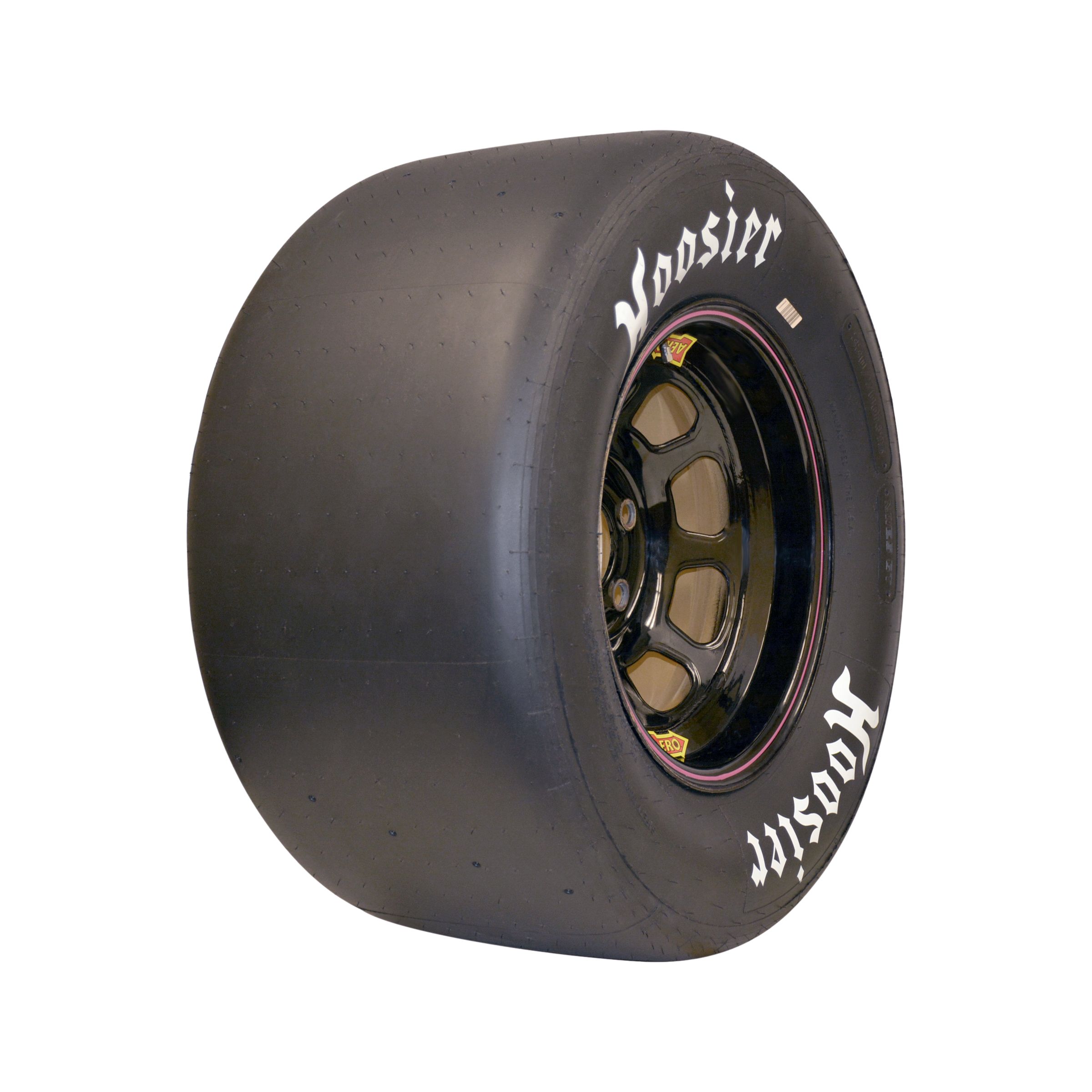
The Hoosier BIAS-ply slick tire is designed to provide high levels of mechanical grip and progressive breakaway characteristics, making it well-suited for low-weight formula cars. Its construction allows for a large contact patch and consistent performance, helping drivers maintain control and confidence in dry conditions.
The Hoosier Radial slick tire is designed for maximum dry performance, using a smooth tread surface and advanced rubber compound to maximize contact patch and grip. Its radial construction provides consistent handling, improved durability, and better heat management during high-performance competition.
An FSAE wet tire is engineered to maximize grip in rain by using a soft rubber compound and aggressive tread patterns that channel water away from the contact patch. This design helps maintain traction and stability on low-friction, wet surfaces, improving driver control during rainy competition events.
The Hoosier Circuit wet tire is engineered to deliver consistent grip and predictable handling in moderate to heavy rain, with a tread pattern optimized for effective water evacuation. It balances durability and performance, allowing teams to maintain confidence and control across a range of wet track conditions.
/VINTAGE-WET-44298_15x8-copy-1_sized.png)
The Hoosier Vintage wet tire is designed to provide reliable grip and stability in wet conditions while complementing the performance characteristics and aesthetics of vintage race cars.
/CIRCUIT-RADIAL-WET44670RD_12x16_sized.png)
The Hoosier Circuit radial wet tire is designed to maximize water evacuation and maintain consistent grip, offering stable and predictable performance in wet racing conditions.
/HoosierRadialWeta_sized.png)
The Hoosier DOT radial wet tire is designed to meet road-legal requirements while delivering dependable wet-weather traction, with tread features that enhance water evacuation and stability under racing conditions.
The Hoosier Radial slick tire is designed for maximum dry performance, using a smooth tread surface and advanced rubber compound to maximize contact patch and grip. Its radial construction provides consistent handling, improved durability, and better heat management during high-performance competition
/Catalog-Tires_TDR_sized.png)
The Hoosier TDR tire is designed for drag racing applications, offering exceptional straight-line traction and consistent grip under high acceleration loads. Its compound and construction optimize launch performance while maintaining durability over repeated runs.
/VINTAGE-3044278_13x6_c-copy_sized.png)
The Hoosier Vintage tire is built to match the performance characteristics and appearance of period-correct race cars while delivering modern levels of grip and reliability. It provides predictable handling and balanced performance suited for historic racing conditions.
The Hoosier slick tire is designed to provide high levels of mechanical grip and progressive breakaway characteristics, making it well-suited for low-weight formula cars. Its construction allows for a large contact patch and consistent performance, helping drivers maintain control and confidence in dry conditions.
The Hoosier Vintage tire is built to match the performance characteristics and appearance of period-correct race cars while delivering modern levels of grip and reliability. It provides predictable handling and balanced performance suited for historic racing conditions.
The Hoosier Speedster tire is designed for lightweight, vintage-style performance applications, delivering predictable handling and reliable grip while maintaining a classic tread appearance.
/RENNER-GP_Continental_herrfrederik_1110501-copy_sized.png)
The Hoosier R25B “Renner Racing” tire is a bias-ply slick designed for Formula SAE, offering a compliant carcass and high-grip compound that deliver excellent traction and forgiving handling on dry autocross and endurance courses.
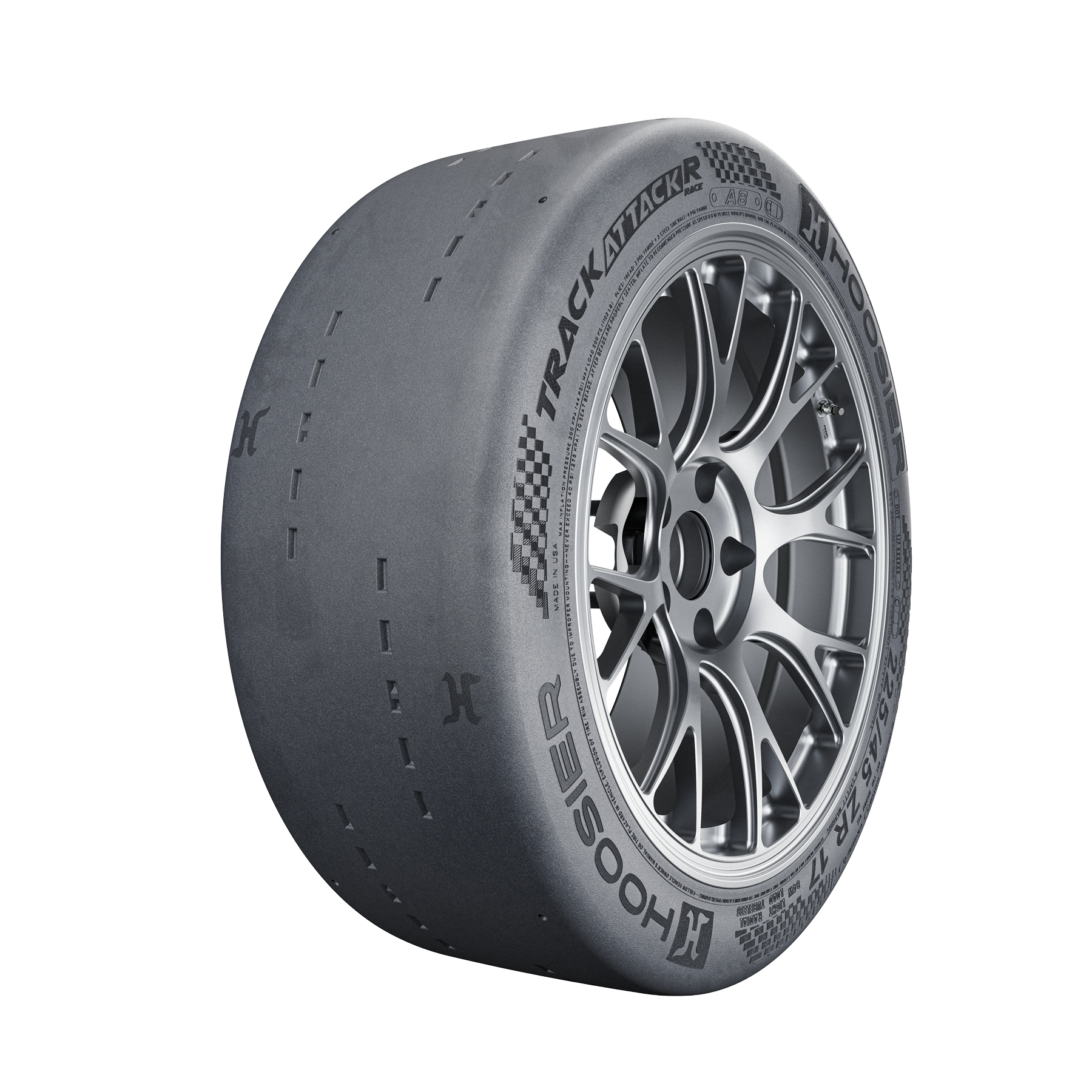
The Hoosier TrackAttack Race tire is engineered for track day and competition use, delivering high levels of dry grip, quick warm-up, and responsive handling for drivers seeking consistent lap-time performance.
The Hoosier DOT radial wet tire is designed to meet road-legal requirements while delivering dependable wet-weather traction, with tread features that enhance water evacuation and stability under racing conditions.
| Item Number | Tread Width | Section Width | Compound | Approx. Weight | Tire Size | Tread Pattern | Approx. Dia. | Recom. Rim Width | Measured Rim Width |
|---|---|---|---|---|---|---|---|---|---|
| 43070 | 6" | 6.9" | R20 | 7LBS | 16.0 x 6.0-10 | Bias Slick | 16.3" | 6-7" | 6" |
| 43075 | 7.3" | 8.4" | LCO, R20 | 8LBS | 16.0 x 7.5-10 | Bias Slick | 16.2" | 6-8" | 8" |
| 41100 | 6" | 8.5" | LCO | 8LBS | 6.0/18.0-10 | Bias Slick | 18.1" | 6-7" | 7" |
| 43100 | 6.2" | 8.1" | R20 | 9LBS | 18.0 x 6.0-10 | Bias Slick | 18.1" | 6.5-7" | 6" |
| 43104 | 7.5" | 9.5" | R20 | 10LBS | 18.0 x 7.5-10 | Bias Slick | 18.3" | 7-8" | 8" |
| 43164 | 7" | 8" | R20 | 11LBS | 20.5 x 7.0-13 | Bias Slick | 21" | 5.5-8" | 6" |
| Item Number | Tread Width | Section Width | Compound | Approx. Weight | Tire Size | Tread Pattern | Approx. Dia. | Recom. Rim Width | Measured Rim Width |
|---|---|---|---|---|---|---|---|---|---|
| 44070 | 7" | 7.6" | W3 | 7.5LBS | 16.0 x 7.0-10 | Circuit Wet | 16.2" | 6-7" | 6" |
| 44115 | 6.2" | 7.8" | W3 | 9LBS | 18 .0 x 6.0-10 | Bias Slick | 17.8" | 6-8" | 6" |
| 44185 | 6.7" | 7.2" | W3 | 11LBS | 21.0 x 6.5-13 | Circuit Wet | 20.9" | 6-8" | 6" |
Milliken Research Associates, Inc. -- FSAE Tire Test Consortium
|
SPRING RATE DATA
|
||||||||||||||||||||||||||||||||||||||||||||||||||||||||||||||||||||||||||||||||||||||||||||||||||||||||||||||||||||||||||||||||||||||||||||||||
|
TIRE SIZE: 16.0 x 6.0 - 10 | (43070) |
||||||||||||||||||||||||||||||||||||||||||||||||||||||||||||||||||||||||||||||||||||||||||||||||||||||||||||||||||||||||||||||||||||||||||||||||
| ACTUAL LOAD | STATIC SPRING RATE (lbs/in) | |||||||||||||||||||||||||||||||||||||||||||||||||||||||||||||||||||||||||||||||||||||||||||||||||||||||||||||||||||||||||||||||||||||||||||||||
| AIR = 10 PSI | 200 lbs. | 536 lbs. | ||||||||||||||||||||||||||||||||||||||||||||||||||||||||||||||||||||||||||||||||||||||||||||||||||||||||||||||||||||||||||||||||||||||||||||||
| 300 lbs. | 579 lbs. | |||||||||||||||||||||||||||||||||||||||||||||||||||||||||||||||||||||||||||||||||||||||||||||||||||||||||||||||||||||||||||||||||||||||||||||||
| 400 lbs. | 622 lbs. | |||||||||||||||||||||||||||||||||||||||||||||||||||||||||||||||||||||||||||||||||||||||||||||||||||||||||||||||||||||||||||||||||||||||||||||||
| AIR = 12 PSI | 200 lbs. | 588 lbs. | ||||||||||||||||||||||||||||||||||||||||||||||||||||||||||||||||||||||||||||||||||||||||||||||||||||||||||||||||||||||||||||||||||||||||||||||
| 300 lbs. | 635 lbs. | |||||||||||||||||||||||||||||||||||||||||||||||||||||||||||||||||||||||||||||||||||||||||||||||||||||||||||||||||||||||||||||||||||||||||||||||
| 400 lbs. | 680 lbs. | |||||||||||||||||||||||||||||||||||||||||||||||||||||||||||||||||||||||||||||||||||||||||||||||||||||||||||||||||||||||||||||||||||||||||||||||
| AIR = 14 PSI | 200 lbs. | 624 lbs. | ||||||||||||||||||||||||||||||||||||||||||||||||||||||||||||||||||||||||||||||||||||||||||||||||||||||||||||||||||||||||||||||||||||||||||||||
| 300 lbs. | 677 lbs. | |||||||||||||||||||||||||||||||||||||||||||||||||||||||||||||||||||||||||||||||||||||||||||||||||||||||||||||||||||||||||||||||||||||||||||||||
| 400 lbs. | 722 lbs. | |||||||||||||||||||||||||||||||||||||||||||||||||||||||||||||||||||||||||||||||||||||||||||||||||||||||||||||||||||||||||||||||||||||||||||||||
|
||||||||||||||||||||||||||||||||||||||||||||||||||||||||||||||||||||||||||||||||||||||||||||||||||||||||||||||||||||||||||||||||||||||||||||||||
|
TIRE SIZE: 18.0 x 6.0 - 10 | (43100) |
||||||||||||||||||||||||||||||||||||||||||||||||||||||||||||||||||||||||||||||||||||||||||||||||||||||||||||||||||||||||||||||||||||||||||||||||
| ACTUAL LOAD | STATIC SPRING RATE (lbs/in) | |||||||||||||||||||||||||||||||||||||||||||||||||||||||||||||||||||||||||||||||||||||||||||||||||||||||||||||||||||||||||||||||||||||||||||||||
| AIR = 14 PSI | 200 lbs. | 747.1 lbs. | ||||||||||||||||||||||||||||||||||||||||||||||||||||||||||||||||||||||||||||||||||||||||||||||||||||||||||||||||||||||||||||||||||||||||||||||
| 300 lbs. | 797.6 lbs. | |||||||||||||||||||||||||||||||||||||||||||||||||||||||||||||||||||||||||||||||||||||||||||||||||||||||||||||||||||||||||||||||||||||||||||||||
| 400 lbs. | 808.1 lbs. | |||||||||||||||||||||||||||||||||||||||||||||||||||||||||||||||||||||||||||||||||||||||||||||||||||||||||||||||||||||||||||||||||||||||||||||||
| AIR = 16 PSI | 200 lbs. | 764.9 lbs. | ||||||||||||||||||||||||||||||||||||||||||||||||||||||||||||||||||||||||||||||||||||||||||||||||||||||||||||||||||||||||||||||||||||||||||||||
| 300 lbs. | 815.5 lbs. | |||||||||||||||||||||||||||||||||||||||||||||||||||||||||||||||||||||||||||||||||||||||||||||||||||||||||||||||||||||||||||||||||||||||||||||||
| 400 lbs. | 846.1 lbs. | |||||||||||||||||||||||||||||||||||||||||||||||||||||||||||||||||||||||||||||||||||||||||||||||||||||||||||||||||||||||||||||||||||||||||||||||
| AIR = 18 PSI | 200 lbs. | 807.3 lbs. | ||||||||||||||||||||||||||||||||||||||||||||||||||||||||||||||||||||||||||||||||||||||||||||||||||||||||||||||||||||||||||||||||||||||||||||||
| 300 lbs. | 847.5 lbs. | |||||||||||||||||||||||||||||||||||||||||||||||||||||||||||||||||||||||||||||||||||||||||||||||||||||||||||||||||||||||||||||||||||||||||||||||
| 400 lbs. | 880.9 lbs. | |||||||||||||||||||||||||||||||||||||||||||||||||||||||||||||||||||||||||||||||||||||||||||||||||||||||||||||||||||||||||||||||||||||||||||||||
|
TIRE SIZE: 18.0 x 7.5 - 10 | (43104) |
||||||||||||||||||||||||||||||||||||||||||||||||||||||||||||||||||||||||||||||||||||||||||||||||||||||||||||||||||||||||||||||||||||||||||||||||
| ACTUAL LOAD | STATIC SPRING RATE (lbs/in) | |||||||||||||||||||||||||||||||||||||||||||||||||||||||||||||||||||||||||||||||||||||||||||||||||||||||||||||||||||||||||||||||||||||||||||||||
| AIR = 14 PSI | 200 lbs. | 812.5 lbs. | ||||||||||||||||||||||||||||||||||||||||||||||||||||||||||||||||||||||||||||||||||||||||||||||||||||||||||||||||||||||||||||||||||||||||||||||
| 300 lbs. | 861.1 lbs. | |||||||||||||||||||||||||||||||||||||||||||||||||||||||||||||||||||||||||||||||||||||||||||||||||||||||||||||||||||||||||||||||||||||||||||||||
| 400 lbs. | 893.5 lbs. | |||||||||||||||||||||||||||||||||||||||||||||||||||||||||||||||||||||||||||||||||||||||||||||||||||||||||||||||||||||||||||||||||||||||||||||||
| AIR = 16 PSI | 200 lbs. | 814.1 lbs. | ||||||||||||||||||||||||||||||||||||||||||||||||||||||||||||||||||||||||||||||||||||||||||||||||||||||||||||||||||||||||||||||||||||||||||||||
| 300 lbs. | 896.9 lbs. | |||||||||||||||||||||||||||||||||||||||||||||||||||||||||||||||||||||||||||||||||||||||||||||||||||||||||||||||||||||||||||||||||||||||||||||||
| 400 lbs. | 918.7 lbs. | |||||||||||||||||||||||||||||||||||||||||||||||||||||||||||||||||||||||||||||||||||||||||||||||||||||||||||||||||||||||||||||||||||||||||||||||
| AIR = 18 PSI | 200 lbs. | 857.2 lbs. | ||||||||||||||||||||||||||||||||||||||||||||||||||||||||||||||||||||||||||||||||||||||||||||||||||||||||||||||||||||||||||||||||||||||||||||||
| 300 lbs. | 928.6 lbs. | |||||||||||||||||||||||||||||||||||||||||||||||||||||||||||||||||||||||||||||||||||||||||||||||||||||||||||||||||||||||||||||||||||||||||||||||
| 400 lbs. | 973.2 lbs. | |||||||||||||||||||||||||||||||||||||||||||||||||||||||||||||||||||||||||||||||||||||||||||||||||||||||||||||||||||||||||||||||||||||||||||||||
|
|
||||||||||||||||||||||||||||||||||||||||||||||||||||||||||||||||||||||||||||||||||||||||||||||||||||||||||||||||||||||||||||||||||||||||||||||||
|
||||||||||||||||||||||||||||||||||||||||||||||||||||||||||||||||||||||||||||||||||||||||||||||||||||||||||||||||||||||||||||||||||||||||||||||||
A professional open-wheel racing series featuring high-performance formula cars, traditionally serving as a bridge between junior formulas and top-level professional racing.
| Item Number | Tread Width | Section Width | Compound | Approx. Weight | Tire Size | Tread Pattern | Approx. Dia. | Recom. Rim Width | Measured Rim Width | Approx. Circ. |
|---|---|---|---|---|---|---|---|---|---|---|
| 43570 | 9.4" | 10.7" | S | 16.4 lbs | 240/580R15 | Radial Slick | 22.9" | 8-10" | 10" | 72" |
| 43578 | 13.5" | 14.8" | S | 22.5 lbs | 330/620R15 | Radial Slick | 24.6" | 14" | 14" | 77.3" |
| Item Number | Tread Width | Section Width | Compound | Approx. Weight | Tire Size | Tread Pattern | Approx. Dia. | Recom. Rim Width | Measured Rim Width | Approx. Circ. |
|---|---|---|---|---|---|---|---|---|---|---|
| 44511 | 9.4" | 10.7" | W3 | 16.2 lbs | 23.0x9.0R15 | Circuit Radial Wet | 23" | 10" | 10" | 72.3" |
| 44516 | 13" | 15.1" | W3 | 21.6 lbs | 24.5x13.0R15 | Circuit Radial Wet | 24.4" | 14" | 14" | 76.6" |
General Settings: COLD HOT FRONT Camber Toe PSI PSI
-3.0, +/- .5 1mm out, per side 16-17 19-20
|
|
|
|
|
OVERALL |
TREAD |
SECTION MEAURED |
MEAURED |
TIRE |
|
FRONT |
|
SIZE |
CIRCUMF. |
DIAMETER |
WIDTH |
WIDTH RIM |
PSI |
WEIGHT |
|
CATALOG # |
|
DESIGNATION |
(in.) |
(in.) |
(in.) |
(in.) (in.) |
|
(lbs.) |
|
43570 DRY 240/580R13 S |
72 |
22.9 |
9.4 |
10.7 |
15x10 |
20 |
16.4 |
|||||||||
|
44511 WET 23.0x9.0R15 W3 VERTICAL DEFLECTION DATA: 15x10 rim |
72.3 |
23 |
9.4 |
10.7 |
15x10 |
20 |
16.2 |
|||||||||
|
|
43570 |
240/580R15 |
Load(lbs) |
18psi |
20psi |
22psi |
|
|||||||||
|
|
|
DRY |
305 |
1425 lbs/in |
1540 lbs/in |
1650 lbs/in |
|
|||||||||
|
|
|
465 |
1480 lbs/in |
1600 lbs/in |
1710 lbs/in |
|
||||||||||
|
|
625 |
1720 lbs/in |
1800 lbs/in |
1885 lbs/in |
|
|||||||||||
|
General Settings: |
|
COLD |
HOT |
|
||||||||||||
|
REAR Camber |
Toe |
PSI |
PSI |
|
||||||||||||
|
|
-2.0, +/- .5 |
1mm in , per side |
16-17 |
19-20 |
|
|
|
|
|
|
|
|
|
OVERALL |
TREAD |
SECTION MEAURED |
MEAURED |
TIRE |
|
REAR |
|
SIZE |
CIRCUMF. |
DIA. |
WIDTH |
WIDTH RIM |
PSI |
WEIGHT |
|
CATALOG # |
|
DESIGNATION |
(in.) |
(in.) |
(in.) |
(in.) (in.) |
|
(lbs.) |
43578 DRY 330/620R15 S 76.8 24.4 13.3 15.1 15x14 20 22.5
44516 WET 24.5x13.0R15 W3 76.6 24.4 13 15.1 15x14 20 21.6
VERTICAL DEFLECTION DATA: 15x14 rim
|
43578 |
330/620R15 |
Load(lbs) |
18psi |
20psi |
22psi |
|
|
DRY |
405 |
1410 lbs/in |
1525 lbs/in |
1625 lbs/in |
|
|
615 |
1425 lbs/in |
1530 lbs/in |
1640 lbs/in |
|
|
825 |
1440 lbs/in |
1555 lbs/in |
1660 lbs/in |
A development open-wheel series using modern F2000 cars, aimed at developing young drivers with competitive, high-downforce racing at a professional level.
| Item Number | Tread Width | Section Width | Compound | Approx. Weight | Tire Size | Tread Pattern | Approx. Dia. | Recom. Rim Width | Measured Rim Width | Approx. Circ. |
|---|---|---|---|---|---|---|---|---|---|---|
| 43164 | 7" | 8" | R60A | 12.4 lbs | 20.5x7.0-13 | Bias Slick | 21" | 6-8" | 6" | 66.2" |
| 43285 | 8" | 9.6" | R60A | 14.3 lbs | 22.0x8.0-13 | Bias Slick | 22" | 7-9" | 8" | 69" |
| Item Number | Tread Width | Section Width | Compound | Approx. Weight | Tire Size | Tread Pattern | Approx. Dia. | Recom. Rim Width | Measured Rim Width | Approx. Circ. |
|---|---|---|---|---|---|---|---|---|---|---|
| 44185 | 6.7" | 7.2" | W3 | 11.4 lbs | 21.0x6.5-13 | Circuit Wet | 20.9" | 6-8" | 6" | 66.5" |
| 44196 | 7.8" | 8.9" | W3 | 12.9 lbs | 22.0x8.0-13 | Circuit Wet | 22" | 7"-9" | 8" | 69" |
General Settings: COLD HOT FRONT Camber Toe PSI PSI
-1.0, +/- .5 1mm out, per side 15-17 18-20
|
|
|
|
OVERALL |
TREAD |
SECTION MEAS. |
MEAS. |
TIRE |
|
FRONT |
SIZE |
CIRCUMF. |
DIAMETER |
WIDTH |
WIDTH RIM |
PSI |
WEIGHT |
|
CATALOG # |
DESIGNATION |
(in.) |
(in.) |
(in.) |
(in.) (in.) |
|
(lbs.) |
|
43164 DRY 20.5x7.0-13 R60A |
66.2 |
21 |
6.8 |
8 |
13x6 |
18 |
12.4 |
|||||||||
|
44185 WET 21.0x6.5-13 W3 VERTICAL DEFLECTION DATA: 13x6 rim |
66.5 |
21.2 |
6.7 |
7.2 |
13x6 |
18 |
11.4 |
|||||||||
|
|
43164 R60A |
20.5x7.0-13 |
Load(lbs) |
14 psi |
16 psi |
18 psi |
|
|||||||||
|
|
|
DRY |
200 |
736 lbs/in |
798 lbs/in |
842 lbs/in |
|
|||||||||
|
|
|
300 |
767 lbs/in |
835 lbs/in |
905 lbs/in |
|
||||||||||
|
|
400 |
853 lbs/in |
859 lbs/in |
982 lbs/in |
|
|||||||||||
|
General Settings: |
|
COLD |
HOT |
|
||||||||||||
|
REAR Camber |
Toe |
PSI |
PSI |
|
||||||||||||
|
|
-0.5, +/- .5 |
1mm in , per side |
15-17 |
18-20 |
|
|
|
|
|
|
|
|
OVERALL |
TREAD |
SECTION MEAS. MEAS. |
TIRE |
|
REAR |
|
SIZE |
CIRCUMF. |
DIAMETER |
WIDTH |
WIDTH RIM PSI |
WEIGHT |
|
CATALOG # |
|
DESIGNATION |
(in.) |
(in.) |
(in.) |
(in.) (in.) |
(lbs.) |
43285 DRY 22.0x8.0-13 R60A 69 22 8 9.6 13x8 20 14.3
44196 WET 22.0x8.0-13 W3 69 22 7.8 8.9 13x8 20 12.9
VERTICAL DEFLECTION DATA: 13x8 rim
|
43285 R60A 22.0x8.0-13 |
Load(lbs) |
16 psi |
18 psi |
20 psi |
|
|
300 |
957 lbs/in |
1014 lbs/in |
1071 lbs/in |
|
400 |
1004 lbs/in |
1067 lbs/in |
1129 lbs/in |
|
|
500 |
1027 lbs/in |
1104 lbs/in |
1183 lbs/in |
An entry-level open-wheel championship using Formula Ford–style cars with limited power and aero, emphasizing driver skill and racecraft.
| Item Number | Tread Width | Section Width | Compound | Approx. Weight | Tire Size | Tread Pattern | Approx. Dia. | Recom. Rim Width | Measured Rim Width |
|---|---|---|---|---|---|---|---|---|---|
| 43322 | 6.4" | 7.7" | R60A | 14.8 lbs | 185/60R13 | Semi-Slick | 21.8" | 5.5" | 5.5" |
| 43327 | 8" | 8.7" | R60A | 17.6 lbs | 205/60R13 | Semi-Slick | 22.7" | 5.5" | 5.5" |
| Item Number | Tread Width | Section Width | Compound | Approx. Weight | Tire Size | Tread Pattern | Approx. Dia. | Recom. Rim Width | Measured Rim Width |
|---|---|---|---|---|---|---|---|---|---|
| 46101 | 6.8" | 7.9" | W3 | 14.4 lbs | 185/65R13 | DOT Radial Wet | 22.2" | 5.5" | 5.5" |
| 46105 | 7.2" | 9.3" | W3 | 17.3 lbs | 205/60R13 | DOT Radial Wet | 23.1" | 5.5" | 5.5" |
|
General Settings: |
|
|
COLD |
HOT |
|
FRONT |
Camber |
Toe |
PSI |
PSI |
|
-3.0, +/- .5 |
1mm out, per side |
16-17 |
19-20 |
|
OVERALL TREAD SECTION MEASUREDMEASURE TIRE
|
FRONT |
|
SIZE |
CIRCUMF. DIAMETER WIDTH WIDTH RIM PSI WEIGHT |
|
CATALOG # |
|
DESIGNATION |
(in.) (in.) (in.) (in.) (in.) (lbs.) |
|
43322 |
DRY |
185/60R13 R60A |
68.75 21.88 6.375” 7.688” 13X5.5 20 14.8 |
|
44421 |
WET |
185/60R13 W3 |
68 21.65 6.5 7.55 13X5.5 20 15.8 |
VERTICAL DEFLECTION DATA: 13x5.5 rim
|
43322 |
185/60R13 |
Load(lbs) |
16psi |
20psi |
24psi |
|
|
DRY |
250 |
1056 lbs/in |
1228 lbs/in |
1345 lbs/in |
|
|
350 |
1090 lbs/in |
1261 lbs/in |
1382 lbs/in |
|
|
450 |
1122 lbs/in |
1287 lbs/in |
1413 lbs/in |
||
|
General Settings: |
|
|
COLD |
HOT |
|
REAR |
Camber |
Toe |
PSI |
PSI |
|
-2.0, +/- .5 |
1mm in , per side |
16-17 |
19-20 |
|
|
OVERALL |
TREAD |
SECTION |
MEAS. |
MEAS. |
TIRE |
||||
|
REAR |
|
SIZE |
CIRCUMF. |
DIAMETER |
WIDTH |
WIDTH |
RIM |
PSI |
WEIGHT |
|
CATALOG # |
|
DESIGNATION |
(in.) |
(in.) |
(in.) |
(in.) |
(in.) |
|
(lbs.) |
|
43327 |
DRY |
205/60R13 R60A |
71.44 |
22.74 |
8 |
8.69 |
13X5.5 |
20 |
17.6 |
|
44426 |
WET |
205/60R13 W3 |
72.75 |
23.16 |
7.38 |
8.4 |
13x5.5 |
20 |
17.3 |
VERTICAL DEFLECTION DATA: 13x5.5 rim
|
43327 |
205/60R13 |
Load(lbs) |
16psi |
20psi |
24psi |
|
|
DRY |
350 |
1021 lbs/in |
1217 lbs/in |
1382 lbs/in |
|
|
450 |
1026 lbs/in |
1223 lbs/in |
1388 lbs/in |
|
|
550 |
1032 lbs/in |
1229 lbs/in |
1392 lbs/in |
||
Hoosier Racing Tire Corp.
65465 S.R. 931
Lakeville, IN 46536
P (574) 784-3152
Jeff Speer - jaspeer@hoosiertire.com
Sports Car Club of America class for Formula Ford cars, focusing on affordable, competitive open-wheel racing with minimal aerodynamic aids.
| Item Number | Tread Width | Section Width | Compound | Approx. Weight | Tire Size | Tread Pattern | Approx. Dia. | Recom. Rim Width | Measured Rim Width |
|---|---|---|---|---|---|---|---|---|---|
| 43322 | 6.4" | 7.7" | R60A | 14.8 lbs | 185/60R13 | Semi-Slick | 21.8" | 5.5" | 5.5" |
| 43327 | 8" | 8.7" | R60A | 17.6 lbs | 205/60R13 | Semi-Slick | 22.7" | 5.5" | 5.5" |
| Item Number | Tread Width | Section Width | Compound | Approx. Weight | Tire Size | Tread Pattern | Approx. Dia. | Recom. Rim Width | Measured Rim Width |
|---|---|---|---|---|---|---|---|---|---|
| 46101 | 6.8" | 7.9" | W3 | 14.4 lbs | 185/65R13 | DOT Radial Wet | 22.2" | 5.5" | 5.5" |
| 46105 | 7.2" | 9.3" | W3 | 17.3 lbs | 205/60R13 | DOT Radial Wet | 23.1" | 5.5" | 5.5" |
|
General Settings: |
|
|
COLD |
HOT |
|
FRONT |
Camber |
Toe |
PSI |
PSI |
|
-3.0, +/- .5 |
1mm out, per side |
16-17 |
19-20 |
|
OVERALL TREAD SECTION MEASUREDMEASURE TIRE
|
FRONT |
|
SIZE |
CIRCUMF. DIAMETER WIDTH WIDTH RIM PSI WEIGHT |
|
CATALOG # |
|
DESIGNATION |
(in.) (in.) (in.) (in.) (in.) (lbs.) |
|
43322 |
DRY |
185/60R13 R60A |
68.75 21.88 6.375” 7.688” 13X5.5 20 14.8 |
|
44421 |
WET |
185/60R13 W3 |
68 21.65 6.5 7.55 13X5.5 20 15.8 |
VERTICAL DEFLECTION DATA: 13x5.5 rim
|
43322 |
185/60R13 |
Load(lbs) |
16psi |
20psi |
24psi |
|
|
DRY |
250 |
1056 lbs/in |
1228 lbs/in |
1345 lbs/in |
|
|
350 |
1090 lbs/in |
1261 lbs/in |
1382 lbs/in |
|
|
450 |
1122 lbs/in |
1287 lbs/in |
1413 lbs/in |
||
|
General Settings: |
|
|
COLD |
HOT |
|
REAR |
Camber |
Toe |
PSI |
PSI |
|
-2.0, +/- .5 |
1mm in , per side |
16-17 |
19-20 |
|
|
OVERALL |
TREAD |
SECTION |
MEAS. |
MEAS. |
TIRE |
||||
|
REAR |
|
SIZE |
CIRCUMF. |
DIAMETER |
WIDTH |
WIDTH |
RIM |
PSI |
WEIGHT |
|
CATALOG # |
|
DESIGNATION |
(in.) |
(in.) |
(in.) |
(in.) |
(in.) |
|
(lbs.) |
|
43327 |
DRY |
205/60R13 R60A |
71.44 |
22.74 |
8 |
8.69 |
13X5.5 |
20 |
17.6 |
|
44426 |
WET |
205/60R13 W3 |
72.75 |
23.16 |
7.38 |
8.4 |
13x5.5 |
20 |
17.3 |
VERTICAL DEFLECTION DATA: 13x5.5 rim
|
43327 |
205/60R13 |
Load(lbs) |
16psi |
20psi |
24psi |
|
|
DRY |
350 |
1021 lbs/in |
1217 lbs/in |
1382 lbs/in |
|
|
450 |
1026 lbs/in |
1223 lbs/in |
1388 lbs/in |
|
|
550 |
1032 lbs/in |
1229 lbs/in |
1392 lbs/in |
||
Spec racing class featuring identical Spec Racer Ford cars, designed to deliver close, cost-controlled racing and driver-focused competition.
| Item Number | Tire Size | Tread Pattern | Approx. Weight | Tread Width | Approx. Dia. | Recom. Rim Width | Measured Rim Width | Section Width | Compound |
|---|---|---|---|---|---|---|---|---|---|
| 46340 | 185/60R13 | DOT Semi-Slick | 14.8 lbs | 6.4" | 21.8" | 5.5" | 5.5" | 7.7" | SRF |
| 46350 | 205/60R13 | DOT Semi-Slick | 17.6 lbs | 8" | 22.7" | 5.5" | 5.5" | 8.7" | SRF |
| Item Number | Tire Size | Tread Pattern | Approx. Weight | Tread Width | Approx. Dia. | Recom. Rim Width | Measured Rim Width | Section Width | Compound |
|---|---|---|---|---|---|---|---|---|---|
| 46101 | 185/65R13 | DOT Radial Wet | 14.4 lbs | 6.8" | 22.2" | 5.5" | 5.5" | 7.9" | W2 |
| 46105 | 205/60R13 | DOT Radial Wet | 17.3 lbs | 7.2" | 23.1" | 5.5" | 5.5" | 9.3" | W2 |
FE2 (Formula Enterprises 2) is SCCA's premier spec open-wheel formula class, featuring identical chassis, Mazda-powered engines, and sequential transmissions to ensure close, driver-focused competition. Combining formula car speed, aerodynamic performance, and controlled costs, FE2 offers one of the most competitive racing environments in amateur motorsports.
| Item Number | Tire Size | Tread Pattern | Approx. Weight | Tread Width | Approx. Dia. | Recom. Rim Width | Measured Rim Width | Section Width | Compound |
|---|---|---|---|---|---|---|---|---|---|
| 46340 | 185/60R13 | DOT Semi-Slick | 14.8 lbs | 6.4" | 21.8" | 5.5" | 5.5" | 7.7" | SRF |
| 46350 | 205/60R13 | DOT Semi-Slick | 17.6 lbs | 8" | 22.7" | 5.5" | 5.5" | 8.7" | SRF |
| Item Number | Tire Size | Tread Pattern | Approx. Weight | Tread Width | Approx. Dia. | Recom. Rim Width | Measured Rim Width | Section Width | Compound |
|---|---|---|---|---|---|---|---|---|---|
| 46101 | 185/65R13 | DOT Radial Wet | 14.4 lbs | 6.8" | 22.2" | 5.5" | 5.5" | 7.9" | W2 |
| 46105 | 205/60R13 | DOT Radial Wet | 17.3 lbs | 7.2" | 23.1" | 5.5" | 5.5" | 9.3" | W2 |
Formula Vee (FV) is a historic SCCA open-wheel class featuring lightweight, Volkswagen-powered race cars built for close, driver-focused competition. Known for affordability, strong fields, and exceptional racing, Formula Vee remains one of the most popular developmental formula classes in motorsports.
| Item Number | Tire Size | Tread Pattern | Approx. Weight | Tread Width | Approx. Dia. | Recom. Rim Width | Measured Rim Width | Section Width | Compound |
|---|---|---|---|---|---|---|---|---|---|
| 46340 | 185/60R13 | DOT Semi-Slick | 14.8 lbs | 6.4" | 21.8" | 5.5" | 5.5" | 7.7" | SRF |
| 46350 | 205/60R13 | DOT Semi-Slick | 17.6 lbs | 8" | 22.7" | 5.5" | 5.5" | 8.7" | SRF |
| Item Number | Tire Size | Tread Pattern | Approx. Weight | Tread Width | Approx. Dia. | Recom. Rim Width | Measured Rim Width | Section Width | Compound |
|---|---|---|---|---|---|---|---|---|---|
| 46101 | 185/65R13 | DOT Radial Wet | 14.4 lbs | 6.8" | 22.2" | 5.5" | 5.5" | 7.9" | W2 |
| 46105 | 205/60R13 | DOT Radial Wet | 17.3 lbs | 7.2" | 23.1" | 5.5" | 5.5" | 9.3" | W2 |
One of the largest spec racing classes in North America, using race-prepared Mazda Miatas with tightly controlled modifications to ensure equal competition.
| Item Number | Tire Size | Tread Pattern | Approx. Weight | Tread Width | Approx. Dia. | Recom. Rim Width | Measured Rim Width | Section Width | Compound |
|---|---|---|---|---|---|---|---|---|---|
| 46340 | 185/60R13 | DOT Semi-Slick | 14.8 lbs | 6.4" | 21.8" | 5.5" | 5.5" | 7.7" | SRF |
| 46350 | 205/60R13 | DOT Semi-Slick | 17.6 lbs | 8" | 22.7" | 5.5" | 5.5" | 8.7" | SRF |
| Item Number | Tire Size | Tread Pattern | Approx. Weight | Tread Width | Approx. Dia. | Recom. Rim Width | Measured Rim Width | Section Width | Compound |
|---|---|---|---|---|---|---|---|---|---|
| 46101 | 185/65R13 | DOT Radial Wet | 14.4 lbs | 6.8" | 22.2" | 5.5" | 5.5" | 7.9" | W2 |
| 46105 | 205/60R13 | DOT Radial Wet | 17.3 lbs | 7.2" | 23.1" | 5.5" | 5.5" | 9.3" | W2 |
For Additional Safety Warnings
SEE: Tire Spec Catalog • VISIT: hoosiertire.com/safetywarnings • READ: Tire Sidewall
65465 U.S. 31 • Lakeville, IN, 46536 • (574) 784-3152 • Fax (574) 784-2385

NOT FOR HIGHWAY USE: All Hoosier Racing Tires including DOT labeled Hoosier Racing Tires are designed for competition purposes only on specified racing surfaces and are not to be operated on public roadways. DOT labeled Hoosier Racing Tires meet Department Of Transportation requirements for marking and per-formance only and are NOT INTENDED FOR HIGHWAY USE. It is unsafe to operate any Hoosier Racing Tire including DOT tires on public roads. The prohibited use of Hoosier Racing Tires on public roadways may result in loss of traction, unexpected loss of vehicle control, or sudden loss of tire pressure, resulting in a vehicle crash and SERIOUS PERSONAL INJURY OR DEATH.
READ TIRE MOUNTING SAFETY INSTRUCTIONS BEFORE MOUNTING TIRE.
The R7 and A7 have been developed to improve wear and consistency without any sacrifice of performance. In many cases, the performance will even improve over previous models. The new tire models are an evolution in the continuing effort to provide the best tire for racers.
Proper break-in will not affect initial performance but will increase the competitive life of the tire. The procedure can be broken down into phases.
1st phase: The initial run
2nd phase: The length of the time the tire is allowed to “cure”
A7/R7 Roadrace
The first laps for the tire are critical for setting up the durability and competitive life. The first session should consist of no more than 10-15 minutes of running. The early part of the session should be run at an easy pace, with the speed gradually increased until the end of the session. The final lap should be run at the fastest possible speed. The intent is to achieve maximum tire temp on the last lap. At this point the car should be brought in and the tires allowed to cool at a normal rate.
During the initial run-in process, the inflation pressure should be 3-5 psi higher than you would normally use. The best progression would have the driver taking 4-7 laps to accomplish this break-in. Each lap should be approximately 7-10 seconds a lap faster than the previous lap. The goal is to have the tire temp as high as pos-sible on the last lap without “shocking” the tire during the warm up laps. In essence, no wheelspin, late braking, or sliding. The last lap should be at, or very close, the maximum possible.
A7 Autocross
For autocrossing, the A7 does not need the same break in procedure as the R7. The A7 needs a minimal scuff-in session before the first autocross run. This “session” can comprise of simply driving around the event site at minimal speeds on the A7 set of tires. By scrubbing off the newness of the tread (no or minimal shininess remaining) prior to your first competitive run, the A7 tires will be more consistent in handling, grip and responsiveness on the first run. If this is not completed, running on un-scuffed A7 tires on your first run may result in the tires not gripping properly, or feeling like they “skate” over the course surface. You are welcome to run 3 - 5 psi higher when scuffing in a new set of A7’s, but be sure to reset them to the correct operating pressures before your first autocross run. As you compile autocross runs on your new A7’s, they should become more consistent in run times.
“Cure” Time
After completing the initial run phase, the length of time the tire is allowed to set is possibly more important. The barest minimum for this process to be beneficial is 24 hours. (Not “the next day”). Any less than this is a waste of time. The best situation would allow a week before using the tire again.
Proper tire management is a difficult process. To accomplish this almost always requires a second set of wheels. The payoff is greatly increased competitive tire life.
Following the recommended break-in procedure will require a lot of planning to make it work. The benefits to doing it right include greatly increased tire life as well as consistent performance and durability under stress. Please make an effort to educate your team on the importance of this. It can save you a lot of money.
Tire Temperature Recommendations
For best performance the expected temperature range will vary from track to track. Generally, optimum traction will be generated when the pit lane temps show 180-200 degrees for the R7 in Roadrace applications, and 110-140 degrees for the A7 in an Autocross application.
To get accurate hot tire temperatures, you should use a needle probe. An IR sensor surface temperature device will read cold and this may cause you to miss your hot target temperatures.
Chassis Setup Recommendations
For optimum performance the Hoosier P-Metric radial tires require about 3 degrees of negative camber. There will be a trade off in maximum performance to maximize wear. Generally, 1/2 degrees less than optimum will result in the best compromise for wear and speed. Less than 2.5 degrees negative can result in excessive wear on the outer shoulder junction. Higher pressures are needed when the vehicle has limited negative camber.
The Hoosier tires typically offer better performance with spring/shock rates higher than previous brands you may have run.

Traditionally, Hoosier tires have often required higher pressures than other brands. Hoosier recommends a starting minimum cold pressure of 26 psi on all DOT radials.
Roadrace/Track Applications
|
VEHICLE SIZE |
RECOMMENDED HOT PRESSURE |
COLD PRESSURE |
|
1800-2200 LBS. |
32-34+ |
26-28 |
|
2200-2600 LBS. |
34-36+ |
26-28 |
|
2600-3000 LBS. |
36-40+ |
26-30 |
|
OVER 3000 LBS. |
40-42+ |
30-34 |
Please contact a Hoosier Tire representative for cold pressure settings for vehicles over 3000 LBS.
+Higher pressures will improve the performance capability but will require a more sensitive feel to take advantage of the increase.
Air Pressures
One characteristic of new tires is the feeling of lower traction initially (when inflation pressures are correct). It is important to resist lowering the pres-sure to attempt to eliminate this feeling. Dropping the pressure too far may improve the “feel” of the tire however it will also lower the performance and increase the wear rate.
Never drop hot tire pressures back down to cold pressure set points. Tires will be severely under inflated as a result of dropping hot pressures to cold pressure set points which will lead to increased tread wear and possible tire separation. Hot pressures will gradually return to the cold starting pressure as the tires cool off.
For every 10 degrees F increase in air temperature, the tire pressure will gain approximately .7 psi. As Air Temperatures increase throughout the day, so will the Air Pressures in your tires. It is critical to maintain or manage your HOT air pressures throughout the day. Also, keeping the tires in the shade or out of direct sunlight will assist with consistent air pressure settings.
Keep in mind that using compressed air (with moisture) and nitrogen (little to no moisture), will offer quite different air pressure increases. Compressed air will cause a faster increase of HOT air pressures while Nitrogen air pressure will cause a slower increase of operating HOT pressures. Using Nitrogen, cold air pressure settings need to be started at 2-3 psi higher compared to compressed air pressure settings. Also, depending on the morning air temperatures (50-60 degrees), both compressed air and Nitrogen require higher cold pressure settings to achieve the HOT pressures sooner. Using Nitrogen will offer more consistent air pressure readings, repeatable tire performance and improved overall results.
Banked Oval / Road Courses
Hoosier DOT Radials will require a reduced camber setting and increased air pressures for road courses with sections of high banking, such as Watkins Glen and on Road Course/Oval (ROVAL) tracks like Daytona International Speedway. The cold pressures should be increased by +5 psi above normal road course pressure recommendations. Camber should not exceed -2.0 degrees. For vehicles with added aero packages, camber should not exceed -1.5 degrees.
Autocross Applications
For autocross applications, your starting pressure for the first run should be within 1-2 psi of the recommended hot pressures shown above. After the first run and each subsequent run, keep resetting the pressures back to your target hot pressures before taking the next run. This way your tires are at the proper pressure during the bulk of every run you take.
The above chart is a general recommendation which is intended for a standard configuration vehicle (i.e. front engine, rear wheel drive). Factors which can radically affect your pressure set up would include front wheel drive, independent rear suspension, rear engine, McPherson vs. control arm front suspension.
Front Wheel Drive
Vehicles configured with FWD are probably the most difficult application for a tire setup. The combination of steering, braking and accelerating on the front tires, combined with higher corner weights for the front positions produce a harsh environment for the tire. These vehicles will typically have a strut type of suspension which limits camber gain. All these factors result in conditions which require the tire do more work than a simple chart for pressures can accommodate.
In severe cases front tire pressures for FWD vehicles can run in the 48-52 psi (hot) range. In cases where the tire size is limited to a rela-tively small tire, the required pressure can run even higher. The front to rear pressure differential on FWD cars can have extreme ranges of inflation, depending on the driver preference, suspension tuning, and track configuration.
Rear Engine Vehicles
When matching a race tire to your rear engine vehicle, it is very critical in matching the OE (Original Equipment) rear tire diameter or size to the race tire. Having the same diameter or greater race tire will offer a higher load carrying capacity. If a shorter diameter tire is used, the race tire will overheat, overload and eventually fail. The same or taller diameter race tire will also offer a higher spring rated tire which will help absorb the shock of forward acceleration, provide higher cornering grip and less wheel spin during corner exit under power. More air pressure (2-3 psi) should also be used in the rear tires with this vehicle configuration.
Aero Package
Cold starting pressure needs to be considered setting at a higher pressure when using an aftermarket aero package. An aero package will produce more down force and will damage race tires if air pressure is not increased.
Independent Rear Suspension
With IRS and proper geometry up front, tire pressures can be reduced from the recommendations listed above. When there is adequate camber gain and good roll control, the Hoosier radial tire will perform very well at the reduced air pressure. This results in a bigger “sweet spot” and easier control at the limit.
When tuning at reduced pressures use the following formula to determine the minimum safe pressure: Divide the total vehicle weight, including fuel and driver, by 100 to arrive at the minimum safe pressure. Example: Your car weighs 2750 lbs. as raced. The minimum safe (cold) pressure is 27.5 psi.
Extreme care should be taken when tuning at reduced pressure. Tire damage can occur that is not visible to external inspection.
Vehicles equipped with independent rear suspension (IRS) have a distinct advantage over non-IRS cars when using radial tires. This is true for two reasons. First, it is possible to setup some amount of static negative camber on IRS suspensions, if needed. Second, the IRS geometry can provide the proper camber gain to achieve the dynamic camber needed for a radial tire. This is a great benefit because it then becomes possible to better address front tire grip when the rear of the car can be optimized closer to the tire’s potential.
These tires are molded to their designed tread depth. They do not require shaving to be prepared for competition use.
Due to extremely light construction, Hoosier tires have a much lower polar moment of inertia than other radial tires. This translates to a very low rota-tional mass, which is a good thing for performance applications. The down side to this feature is that the tires do not resist “spikes” in braking force as well as a heavier tire might. As a result, there is a tendency for drivers to “flatspot” a tire the first time really getting to the limit. Vehicles equipped with ABS will benefit from its use. If you do not use ABS it is recommended that you make an effort to minimize stabbing the brakes until you have some experience with the feel of the tire under hard braking.
The light construction also provides less protection from impact damage and punctures. Off course excursions or running over debris on the track will likely result in tire damage.
Once some wear has occurred it may be desirable to flip the tire on the wheel in order to even out the wear and maximize tire life.
Wheel Widths
Wheel width dramatically affects wear and performance of the Hoosier P-Metric radial tires.
There is about a one inch window of optimum width. The trick is to figure out that window. A good rule of thumb to use for determining proper width is to use the tread width of the tire. Measure the tread width. Plus or minus 1/2 inch from the tread dimension will indicate the proper rim sizing. It is possible to use narrower wheels, but at a sacrifice to shoulder wear and cornering power.
“Measured” rim vs. “Recommended” rim
In our printed product catalog and on our website tire specifications you will see two columns of information regarding rim dimensions. In most cases, the “measured rim” and the “recommended rim” will be the same. However in the case of DOT tires, the information may appear contradictory.
The reason for the differences lies in the Department of Transportation requirements for publishing tire dimensions on any tire that carries a DOT certification. Each tire size has a specific rim that must be used when taking measurements for tire comparison. This is intended to allow consumers a consistent way to compare tire sizes between brands.
With respect to the Hoosier P-Metric line, the recommended rim size will typically be wider than the DOT standardized wheel.
The fact that a tire will “fit” on a rim is not an indication that it will work effectively in that condition. Radial tires are extremely sensitive to wheel widths. The performance characteristics of the tire can change significantly within the recommended range of application. Mounting a tire on a rim that is outside of the recommendation is not a good idea.
Driving Style/Braking
Driving style has also shown to significantly effect tire wear. Drivers who achieve their speed by “tossing” the car run the risk of increased tire wear. Radial tires develop their highest cornering power at relatively low slip angles. Smooth driving yields faster lap times and better tire wear.
Drivers need to develop a sensitivity for the limits under braking. This takes time and practice. Failure to apply this will result in flatspotted tires.
Particular care needs to be taken when selecting brake pad compounds. It is possible to have a pad that is too aggressive. This will make it very difficult to develop good braking feel for threshold braking.
Rain Tires
The Hoosier D.O.T. Radial tires are extremely good in dry conditions, however they do not make very good wet weather tires. Having dedicated rain tires available will be necessary for your team to be properly prepared.
Hoosier Racing Tire also offers a D.O.T. Radial Wet tire. This tire has a molded tread of symmetrical design. Check the product catalog for the available sizes. The compound for these tires is intended for wet weather use only.
When using rain tires, always increase your starting cold air pressure 2-4 psi over your dry tire starting pressures.
Speed Rating
The A7/R7 tire model carries a W Speed Rating of 168 mph.
Service Life for Race Tires: Old tires can fail in use, causing loss of vehicle control and personal injury. Environmental conditions like temperature extremes, exposure to sunlight, electric arc, solvents, automotive fluids, and atmospheric pollutants accelerate the aging process. Hoosier Racing Tire strongly recommends that new (sticker) tires should be put in service within 2 years of date of purchase. Used (scuffed) tires have a shorter service life than new (sticker) tires. Poor storage and infrequent use accelerate the aging process.
HOOSIER RACING TIRE CORP. offers racing tires for sale only upon the conditions and the terms contained in this disclaimer of liability and indemnity. Due to many varied and different conditions which Hoosier Racing Tires and Tubes are exposed and because of the manner in which racing is conducted, Hoosier Racing Tire Corp. makes absolutely no warranty, expressed or implied, as to the fitness for a general or particular purpose or of merchantability in connection with any offer of sale of Hoosier Racing Tires and tubes. “HOOSIER RACING TIRES AND TUBES ARE SOLD AS IS.” Race tires are not tested or labeled to meet FMVSS 109, 119, 139 or ECE36 Safety Standards. Therefore it is dangerous and illegal to sell race tires for use on public highways. Any person selling Hoosier Racing Tires or Tubes for highway use agrees to indemnity and reimburse Hoosier Racing Tire Corp. for all loss, damage, or liability Hoosier Racing Tire Corp. may suffer because of such sales. Not applicable where prohibited by law. Not following these warnings can cause SERIOUS PERSONAL INJURY OR DEATH. For more information read tire labels, follow manufacturer’s warnings as molded in tire sidewalls and visit hoosiertire.com.
ROTATIONAL GUIDELINES FOR TIRES WITH DIRECTIONAL ARROWS
All Hoosier tires having directional arrows must be mounted so that the tire travels in the direction of the arrow. Hoosier tires having directional arrows will have them on both sidewalls. Directional arrows may not be on a tire that can have both left and/or right side application. All Hoosier tires not having directional arrows should be mounted as detailed below.
ROTATIONAL GUIDELINES FOR TIRES WITHOUT DIRECTIONAL ARROWS
Every Hoosier race tire has a four character serial code embossed into ONE sidewall of the tire. All Hoosier DOT tires will also have two additional codes as required by the Department of Transportation. (Example: J7AB 4AX8 3709)
CIRCLE TRACK RACING TIRES: (Includes both dirt and asphalt tires)
Hoosier tires must be mounted with the serial code located toward the infield.
ROAD RACING TIRES: (Includes catalog numbers beginning with 43, 44, 45, 46)
In most cases, Hoosier tires used in Road Race applications should be mounted with the serial code toward the center of the vehicle. Once a tire has been run in the proper orientation it is acceptable to remount the tire in the opposite direction to even out the wear.
DRAG RACING TIRES, INCLUDING DOT DRAG TIRES: (Includes catalog numbers beginning with 17, 18)
Hoosier drag tires can be mounted to rotate in either direction. Hoosier drag tires can also be flipped or reversed to provide even wear.
Special Tire Mounting Instructions: Tire mounting should be done only by trained personnel using proper tools and procedures. Failure to follow safe mounting procedures could cause faulty positioning of the tire and cause the assembly to burst with explosive force sufficient to cause SERIOUS PERSONAL INJURY OR DEATH. Always inspect tire for kinked beads or other possible damage that may have occurred in shipping or storage. Clean rim and lubricate beads with rubber lubricant. Always lock rim on mounting machine or place in safety cage. Use a clip on chuck, an in-line valve with a pressure gauge or adjustable regulator and remote inflation/deflation device. Have enough air hose to stay out of the trajectory. Stand back.
Verify Correct Wheel and Bead Flange: All tires are designed to be used on wheels that are manufactured to Tire and Rim Association (T&RA) specifications and tolerances. Some rims are non-standard or damaged and it is necessary to inspect the rim flange to assure proper fit. Consult your specific rim manufacturer to deter-mine if your rim can be used in this application. Never attempt to install and inflate a tire of one bead diameter on a rim or wheel of a different bead diameter. Use of Hoosier Racing Tires on wheels with incorrect bead flanges or wheels that do not meet T&RA standards can cause the assembly to fail and burst with explosive force sufficient to cause SERIOUS PERSONAL INJURY OR DEATH. Use a certified wheel rim disk tape to confirm wheel rim flange size.
When seating beads never exceed maximum bead seating pressure as molded in tire sidewall. Never exceed manufacturer’s maximum inflation pressure. Always seat beads with wheel locked to mounting machine or placed in a safety cage. A damaged tire or wheel can fail during bead seating and burst with enough force sufficient to cause SERIOUS PERSONAL INJURY OR DEATH. Always use a clip on chuck, an in-line valve with a pressure gauge or adjustable regulator and remote inflation/deflation device. Have enough air hose to stay out of the trajectory. Stand back. If the beads will not seat at the manufactureres maximum bead seating pressure, STOP, deflate tire, return the tire to the place of purchase.
Chemical Treatment of Tires: Hoosier Racing Tires strictly forbids any chemical alteration of the tire carcass and/or tread compound such as tire “soaking” or use of tread “softener.” Hoosier Racing Tire strictly forbids the physical defacement (removal, altering or covering), of tire sidewall markings in any manner. Failure to comply with this warning could result in premature or catastrophic tire failure and may result in SERIOUS PERSONAL INJURY OR DEATH.
Application/Misuse: All Hoosier Racing Tire products are designed for a specific purpose. Consult with Hoosier Racing Tire Corp. for specific fitment and application. Utilizing Hoosier Tires in any form outside of their intended use constitutes misuse of the product and can cause SERIOUS PERSONAL INJURY OR DEATH. Hoosier Racing Tire products are designed and manufactured for racing purposes only, within a closed course designed for organized competition. Not for recreational use. Hoosier Tires should never be used for Off Track Exhibition or for Land Speed Record Vehicles including Jet or Rocket Powered Cars.
Freeze Crack Advisory: This advisory addresses proper storage and use of Hoosier tires in cold conditions. Hoosier Tires, especially asphalt and hard compound tires, may experience Rubber Cracking if the tires are transported, crushed, flexed or stressed when frozen. The following guidelines are provided to avoid this problem.
Do not use tires that have evidence of Freeze Crack Damage.
Spec racing series using Mazda MX-5 Cup–style cars, delivering modern, close-quarters racing with controlled costs and strong manufacturer support
| Item Number | Tire Size | Tread Pattern | Approx. Weight | Tread Width | Approx. Dia. | Recom. Rim Width | Measured Rim Width | Section Width | Compound |
|---|---|---|---|---|---|---|---|---|---|
| 46340 | 185/60R13 | DOT Semi-Slick | 14.8 lbs | 6.4" | 21.8" | 5.5" | 5.5" | 7.7" | SRF |
| 46350 | 205/60R13 | DOT Semi-Slick | 17.6 lbs | 8" | 22.7" | 5.5" | 5.5" | 8.7" | SRF |
| Item Number | Tire Size | Tread Pattern | Approx. Weight | Tread Width | Approx. Dia. | Recom. Rim Width | Measured Rim Width | Section Width | Compound |
|---|---|---|---|---|---|---|---|---|---|
| 46101 | 185/65R13 | DOT Radial Wet | 14.4 lbs | 6.8" | 22.2" | 5.5" | 5.5" | 7.9" | W2 |
| 46105 | 205/60R13 | DOT Radial Wet | 17.3 lbs | 7.2" | 23.1" | 5.5" | 5.5" | 9.3" | W2 |
2027 Spec coming soon
NASCAR Euro Series is Europe’s premier NASCAR-sanctioned stock car championship, featuring 400+ horsepower V8 race cars competing on iconic road circuits across the continent. Built on a spec platform that emphasizes driver skill, the series delivers authentic NASCAR action, close competition, and an international stage for aspiring and established racers.
| Item Number | Tire Size | Tread Pattern | Tread Width | Approx. Dia. | Approx. Circ. | Recom. Rim Width | Measured Rim Width | Section Width | Compound |
|---|---|---|---|---|---|---|---|---|---|
| 46506 | P205/50ZR15 | DOT Semi-Slick | 8" | 22.8" | 71.8" | 5.5-7.5" | 6.5" | 8.5" | RCES |
| Item Number | Tire Size | Tread Pattern | Tread Width | Approx. Dia. | Approx. Circ. | Recom. Rim Width | Measured Rim Width | Section Width | Compound |
|---|---|---|---|---|---|---|---|---|---|
| 46126 | P205/50R15 | DOT Radial Wet | 7.1" | 23.5" | 73.8" | 5.5-7.5" | 6.5" | 8.2" | SMW |
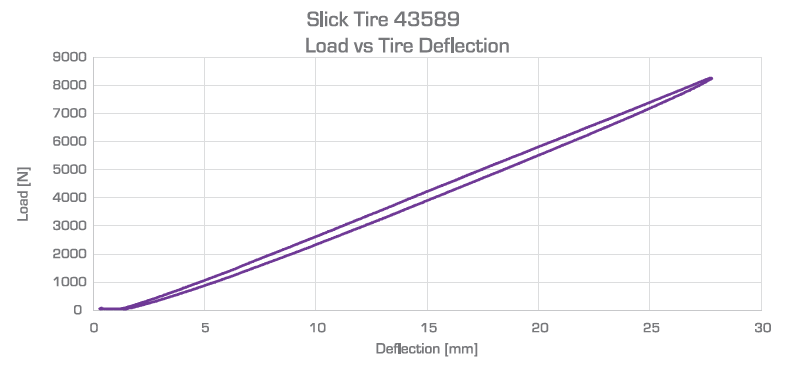
|
|
Diameter |
704.41 |
[mm] |
|
|
Circumference |
2,212.98 |
[mm] |
||
|
Tread Wdth |
301.60 |
[mm] |
||
|
Section width |
330.20 |
[mm] |
||
|
Measured Rim |
15 X 10 |
[inch] |
||
|
Measured Pressure |
2.00 |
[bar] |
||
|
Loaded Radius |
326.72 |
[mm] |
||
|
Load |
8,252.01 |
[N] |
||
|
Spring Rate |
335.81 |
[N;fnm] |
||
|
Weight |
12.70 |
[kg] |
||
|
Tread \/\'3ar Indicator |
3.18 |
[mm] |
||
|
Operation pressure |
2.00 |
[bar] |
||
|
Catalog Nr |
43589 |
|
|
|
|
Size |
330/700 R15 |
|
|
|
|
Sidewall Code |
M |
|
|
|
|
|
|
|
|
|
One of the largest spec racing classes in North America, using race-prepared Mazda Miatas with tightly controlled modifications to ensure equal competition.
| Item Number | Tire Size | Tread Pattern | Tread Width | Approx. Dia. | Approx. Circ. | Recom. Rim Width | Measured Rim Width | Section Width | Compound |
|---|---|---|---|---|---|---|---|---|---|
| 46506 | P205/50ZR15 | DOT Semi-Slick | 8" | 22.8" | 71.8" | 5.5-7.5" | 6.5" | 8.5" | RCES |
| Item Number | Tire Size | Tread Pattern | Tread Width | Approx. Dia. | Approx. Circ. | Recom. Rim Width | Measured Rim Width | Section Width | Compound |
|---|---|---|---|---|---|---|---|---|---|
| 46126 | P205/50R15 | DOT Radial Wet | 7.1" | 23.5" | 73.8" | 5.5-7.5" | 6.5" | 8.2" | SMW |
Hoosier Road Course Endurance Specification (RCES)
Tire Care and Safety Guidelines
For Additional Safety Warnings:
SEE: Tire Spec Catalog • VISIT: hoosiertire.com/safetywarnings • READ: Tire Sidewall
The Hoosier RCES is designed specifically to meet the unique needs of NASA racers competing in the Spec Iron, American Iron, Camaro Mustang Challenge, Spec E46 and 944 Spec race classes.
Proper break-in will not affect initial performance but will increase the competitive life of the tire. The procedure can be broken down into phases.
1st phase: The initial run
2nd phase: The length of the time the tire is allowed to “cure”
The first laps for the tire are critical for setting up the durability and competitive life. The first session should consist of no more than 10-15 minutes of running. The early part of the session should be run at an easy pace, with the speed gradually increased until the end of the session. The final lap should be run at the fastest possible speed. The intent is to achieve maximum tire temp on the last lap. At this point the car should be brought in and the tires allowed to cool at a normal rate.
During the initial run-in process, the inflation pressure should be 3-5 psi higher than you would normally use. The best progression would have the driver taking 4-7 laps to accomplish this break-in. Each lap should be approximately 7-10 seconds a lap faster than the previous lap. The goal is to have the tire temp as high as possible on the last lap without “shocking” the tire during the warm up laps. In essence, no wheelspin, late braking, or sliding. The last lap should be at, or very close, to the maximum possible.
After completing the initial run phase, the length of time the tire is allowed to set is possibly more important. The bare minimum for this process to be beneficial is 24 hours. (Not “the next day”). Any less than this is a waste of time. The best situation would allow a week before using the tire again. Proper tire management is a difficult process. To accomplish this almost always requires a second set of wheels. The payoff is greatly increased competitive tire life.
Following the recommended break-in procedure will require a lot of planning to make it work. The benefits to doing it right include greatly increased tire life as well as consistent performance and durability under stress. Please make an effort to educate your team on the importance of this. It can save you a lot of money.
For best performance, the expected temperature range will vary from track to track. Generally, optimum traction will be generated when the pit lane temps show 160-240°F for Hoosier RCES in Roadrace applications.
To get accurate hot tire temperatures, you should use a needle probe. An IR sensor surface temperature device will read cold and this may cause you to miss your hot target temperatures.
For optimum performance the Hoosier RCES requires 2.5-3.5 degrees of negative camber. There will be a trade off in maximum performance to maximize wear. Generally, 1/2 degrees less than optimum will result in the best compromise for wear and speed. Less than 2.5 degrees negative can result in excessive wear on the outer shoulder junction. In instances where camber is limited by class specific rules, or when the vehicle has limited negative camber higher pressures are needed. Hoosier Tire recommends 1/8th/in toe out on the front axle and 1/8th/in toe in on the rear axle for optimum performance.
Hoosier RCES tires require higher pressures than other brands. Hoosier recommends a starting minimum cold pressure based on the vehicle application chart below.
|
NASA RCES Setup Guide |
|||
|
|
Min. Race Weight |
Min. Recom. Hot Pressure |
Min. Recom. Cold Pressure |
|
Spec E46 |
2850 |
30 psi+ |
22 psi+ |
|
944 Spec |
2600 |
34 psi+ |
26 psi+ |
|
Spec Iron |
3350 |
34 psi+ |
22 psi+ |
|
American Iron |
2900 |
30 psi+ |
20 psi+ |
|
CMC |
3100-3300 |
32-34 psi+ |
22-24 psi+ |
|
Spec Miata |
2275-2450 |
30+ |
22+ |
+Higher pressures will improve the performance capability but will require a more sensitive feel to take advantage of the increase.
One characteristic of new tires is the feeling of lower traction initially (when inflation pressures are correct). It is important to resist lowering the pressure in an attempt to eliminate this feeling. Dropping the pressure too far may improve the “feel” of the tire however it will also lower the performance and increase the wear rate.
Never drop hot tire pressures back down to cold pressure set points. Tires will be severely under inflated as a result of dropping hot pressures to cold pressure set points which will lead to increased tread wear and possible tire separation. Hot pressures will gradually return to the cold starting pressure as the tires cool off.
For every 10 degrees F increase in air temperature, the tire pressure will gain approximately .7 psi. As air temperatures increase throughout the day, so will the air pressures in your tires. It is critical to maintain or manage your HOT air pressures throughout the day. Also, keeping the tires in the shade or out of direct sunlight will assist with consistent air pressure settings.
Keep in mind that using compressed air (with moisture) and nitrogen (little to no moisture), will offer quite different air pressure increases. Compressed air will cause a faster increase of HOT air pressures while nitrogen air pressure will cause a slower increase of operating HOT pressures. Using nitrogen, cold air pressure settings need to be started at 2-3 psi higher compared to compressed air pressure settings. Also, depending on the morning air temperatures (50-60 degrees), both compressed air and nitrogen require higher cold pressure settings to achieve the HOT pressures sooner. Using Nitrogen will offer more consistent air pressure readings, repeatable tire performance and improved overall results.
Hoosier RCES tires are not intended for high banked super speedway or high speed and banked tracks like Watkins Glen International, however on these type of course configurations with the proper settings the tires can be used. In these situations, the loaded side tires should be elevated five (5) psi cold and hot above the normal road course pressure recommendations. Camber settings should be reduced to or below -2.0 degrees.
When using an aftermarket aero package, a higher pressure needs to be considered for cold starting pressure.
These tires are molded to their designed tread depth. They do not require shaving to be prepared for competition use.
Due to extremely light construction, Hoosier RCES tires have a much lower polar moment of inertia than other radial tires. This translates to a very low rotational mass, which is a good thing for performance applications. The down side to this feature is that the tires do not resist “spikes” in braking force as well as a heavier tire might. As a result, there is a tendency for drivers to “flatspot” a tire the first time really getting to the limit. Vehicles equipped with ABS will benefit from its use. If you do not use ABS it is recommended that you make an effort to minimize stabbing the brakes until you have some experience with the feel of the tire under hard braking.
The light construction also provides less protection from impact damage and punctures. Off course excursions or running over debris on the track will likely result in tire damage.
Please refer to Your NASA class rules for approved rim widths.
Driving style has also shown to significantly affect tire wear. Drivers who achieve their speed by “tossing” the car, run the risk of increased tire wear.
Drivers need to develop a sensitivity for the limits under braking. This takes time and practice. Failure to apply this will result in flatspotted tires. Particular care needs to be taken when selecting brake pad compounds. It is possible to have a pad that is too aggressive. This will make it very difficult to develop good braking feel for threshold braking.
The Hoosier RCES tires are extremely good in dry conditions, however they do not make very good wet weather tires. Having dedicated rain tires available will be necessary for your team to be properly prepared. Hoosier Racing Tire also offers a
D.O.T. Radial Wet tire. This tire has a molded tread of symmetrical design. Check the product catalog for the available sizes. The compound for these tires is intended for wet weather use only. When using rain tires, always increase your starting cold air pressure 2-4 psi over your dry tire starting pressures.
The Hoosier RCES tire model carries a W speed rating of 168 mph.
Hoosier RCES tires used in Road Race applications should be mounted with the serial code toward the center of the vehicle. Once a tire has been run in the proper orientation it is acceptable to remount the tire in the opposite direction to even out the wear
Service Life for Tires: Old tires can fail in use, causing loss of vehicle control and personal injury. Environmental conditions like temperature extremes, exposure to sunlight, electric arc, solvents, automotive fluids, and atmospheric pollutants accelerate the aging process. Hoosier Racing Tire strongly recommends that new (sticker) tires should be put
in service within 2 years of date of purchase. Used (scuffed) tires have a shorter service life than new (sticker) tires. Poor storage and infrequent use accelerate the aging process.
HOOSIER RACING TIRE CORP. offers racing tires for sale only upon the conditions and the terms contained in this disclaimer of liability and indemnity. Due to many varied and different conditions which Hoosier Racing Tires and Tubes are exposed and because of the manner in which racing is conducted, Hoosier Racing Tire Corp. makes absolutely no warranty, expressed or implied, as to the fitness for a general or particular purpose or of merchantability in connection with any offer of sale of Hoosier Racing Tires and tubes.
Not following these warnings can cause SERIOUS PERSONAL INJURY OR DEATH. For more information read tire labels, follow manufacturer’s warnings as molded in tire sidewalls and visit hoosiertire.com
Special Tire Mounting Instructions: Tire mounting should be done only by trained personnel using proper tools and procedures. Failure to follow safe mounting procedures could cause faulty positioning of the tire and cause the assembly to burst with explosive force sufficient to cause SERIOUS PERSONAL INJURY OR DEATH. Always inspect tire for kinked beads or other possible damage that may have occurred in shipping or storage. Clean rim and lubricate beads with rubber lubricant. Always lock rim on mounting machine or place in safety cage. Use a clip on chuck, an in-line valve with a pressure gauge or adjustable regulator and remote inflation/deflation device. Have enough air hose to stay out of the trajectory.
Stand back.
|
|
Verify Correct Wheel and Bead Flange: All tires are designed to be used on wheels that are manufactured to Tire and Rim Association (T&RA) specifications and tolerances. Some rims are non-standard or damaged and it is necessary to inspect the rim flange to assure proper fit. Consult your specific rim manufacturer to deter mine if your rim can be used in this application. Never attempt to install and inflate a tire of one bead diameter on a rim or wheel of a different bead diameter. Use of Hoosier Racing Tires on wheels with incorrect bead flanges or wheels that do not meet T&RA standards can cause the assembly to fail and burst with explosive force sufficient to cause SERIOUS PERSONAL INJURY OR DEATH. Use a certified wheel rim disk tape to confirm wheel rim flange size.
 |
When seating beads never exceed maximum bead seating pressure as molded in tire sidewall. Never exceed manufacturer’s maximum inflation pressure. Always seat beads with wheel locked to mounting machine or placed in a safety cage. A damaged tire or wheel can fail during bead seating and burst with enough force sufficient to cause SERIOUS PERSONAL INJURY OR DEATH. Always use a clip on chuck, an in-line valve with a pressure gauge or adjustable regulator and remote inflation/deflation device. Have enough air hose to stay out of the trajectory. Stand back. If the beads will not seat at the manufacturer's maximum bead seating pressure, STOP, deflate tire, return the tire to the place of purchase.
Chemical Treatment of Tires: Hoosier Racing Tires strictly forbids any chemical alteration of the tire carcass and/or tread compound such as tire “soaking” or use of tread “softener.” Hoosier Racing Tire strictly forbids the physical defacement (removal, altering or covering), of tire sidewall markings in any manner. Failure to comply with this warning could result
|
|
|
in premature or catastrophic tire failure and may result in SERIOUS PERSONAL INJURY OR DEATH.
All Hoosier Racing Tire products are designed for a specific purpose. Consult with Hoosier Racing Tire Corp. for specific fitment and application. Utilizing Hoosier Tires in any form outside of their intended use constitutes misuse of the product and can cause SERIOUS PERSONAL INJURY OR DEATH. Hoosier Tires should never be used for Off Exhibition or for Land Speed Record Vehicles including Jet or Rocket Powered Cars
HOOSIER RACING TIRE CORP. offers racing tires for sale only upon the conditions and the terms contained in this disclaimer of liability and indemnity. Due to many varied and different conditions which Hoosier Racing Tires and Tubes are exposed and because of the manner in which racing is conducted, Hoosier Racing Tire Corp. makes absolutely no warranty, expressed or implied, as to the fitness for a general or particular purpose or of merchantability in connection with any offer of sale of Hoosier Racing Tires and tubes.
A spec touring car series based on the BMW E46 chassis, delivering high-performance racing with controlled costs and excellent parity.
| Item Number | Tire Size | Tread Pattern | Tread Width | Approx. Dia. | Approx. Circ. | Recom. Rim Width | Measured Rim Width | Section Width | Compound |
|---|---|---|---|---|---|---|---|---|---|
| 46714 | P245/40ZR17 | DOT Semi-Slick | 9.7" | 24.3" | 76" | 8-9.5" | 8.5" | 10.3" | RCES |
| Item Number | Tire Size | Tread Pattern | Tread Width | Approx. Dia. | Approx. Circ. | Recom. Rim Width | Measured Rim Width | Section Width | Compound |
|---|---|---|---|---|---|---|---|---|---|
| 46175 | P245/40R17 | DOT Radial Wet | 9" | 24.8" | 77.9" | 8-9.5" | 8" | 10" | W2 |
2027 Specs Coming Soon.
A muscular American sedan racing class built around V8-powered domestic cars, emphasizing durability, close racing, and driver development.
| Item Number | Tire Size | Tread Pattern | Tread Width | Approx. Dia. | Approx. Circ. | Recom. Rim Width | Measured Rim Width | Section Width | Compound |
|---|---|---|---|---|---|---|---|---|---|
| 46838 | P275/35ZR18 | DOT Semi-Slick | 10.3" | 25.5" | 80.2" | 9"-11" | 9.5" | 10.7" | RCES |
| Item Number | Tire Size | Tread Pattern | Tread Width | Approx. Dia. | Approx. Circ. | Recom. Rim Width | Measured Rim Width | Section Width | Compound |
|---|---|---|---|---|---|---|---|---|---|
| 46215 | P275/35R18 | DOT Radial Wet | 10" | 25.2" | 79.2" | 9"-11" | 9.5" | 11.3" | W2 |
Hoosier Road Course Endurance Specification (RCES)
Tire Care and Safety Guidelines
 For Additional Safety Warnings:
SEE: Tire Spec Catalog • VISIT: hoosiertire.com/safetywarnings • READ: Tire Sidewall
The Hoosier RCES is designed specifically to meet the unique needs of NASA racers competing in the Spec Iron, American Iron, Camaro Mustang Challenge, Spec E46 and 944 Spec race classes.
Proper break-in will not affect initial performance but will increase the competitive life of the tire. The procedure can be broken down into phases.
1st phase: The initial run
2nd phase: The length of the time the tire is allowed to “cure”
The first laps for the tire are critical for setting up the durability and competitive life. The first session should consist of no more than 10-15 minutes of running. The early part of the session should be run at an easy pace, with the speed gradually increased until the end of the session. The final lap should be run at the fastest possible speed. The intent is to achieve maximum tire temp on the last lap. At this point the car should be brought in and the tires allowed to cool at a normal rate.
During the initial run-in process, the inflation pressure should be 3-5 psi higher than you would normally use. The best progression would have the driver taking 4-7 laps to accomplish this break-in. Each lap should be approximately 7-10 seconds a lap faster than the previous lap. The goal is to have the tire temp as high as possible on the last lap without “shocking” the tire during the warm up laps. In essence, no wheelspin, late braking, or sliding. The last lap should be at, or very close, to the maximum possible.
After completing the initial run phase, the length of time the tire is allowed to set is possibly more important. The bare minimum for this process to be beneficial is 24 hours. (Not “the next day”). Any less than this is a waste of time. The best situation would allow a week before using the tire again. Proper tire management is a difficult process. To accomplish this almost always requires a second set of wheels. The payoff is greatly increased competitive tire life.
Following the recommended break-in procedure will require a lot of planning to make it work. The benefits to doing it right include greatly increased tire life as well as consistent performance and durability under stress. Please make an effort to educate your team on the importance of this. It can save you a lot of money.
For best performance, the expected temperature range will vary from track to track. Generally, optimum traction will be generated when the pit lane temps show 160-240°F for Hoosier RCES in Roadrace applications.
To get accurate hot tire temperatures, you should use a needle probe. An IR sensor surface temperature device will read cold and this may cause you to miss your hot target temperatures.
For optimum performance the Hoosier RCES requires 2.5-3.5 degrees of negative camber. There will be a trade off in maximum performance to maximize wear. Generally, 1/2 degrees less than optimum will result in the best compromise for wear and speed. Less than 2.5 degrees negative can result in excessive wear on the outer shoulder junction. In instances where camber is limited by class specific rules, or when the vehicle has limited negative camber higher pressures are needed. Hoosier Tire recommends 1/8th/in toe out on the front axle and 1/8th/in toe in on the rear axle for optimum performance.

 Hoosier RCES tires require higher pressures than other brands. Hoosier recommends a starting minimum cold pressure based on the vehicle application chart below.
|
NASA RCES Setup Guide |
|||
|
|
Min. Race Weight |
Min. Recom. Hot Pressure |
Min. Recom. Cold Pressure |
|
Spec E46 |
2850 |
30 psi+ |
22 psi+ |
|
944 Spec |
2600 |
34 psi+ |
26 psi+ |
|
Spec Iron |
3350 |
34 psi+ |
22 psi+ |
|
American Iron |
2900 |
30 psi+ |
20 psi+ |
|
CMC |
3100-3300 |
32-34 psi+ |
22-24 psi+ |
|
Spec Miata |
2275-2450 |
30+ |
22+ |
+Higher pressures will improve the performance capability but will require a more sensitive feel to take advantage of the increase.
One characteristic of new tires is the feeling of lower traction initially (when inflation pressures are correct). It is important to resist lowering the pressure in an attempt to eliminate this feeling. Dropping the pressure too far may improve the “feel” of the tire however it will also lower the performance and increase the wear rate.
Never drop hot tire pressures back down to cold pressure set points. Tires will be severely under inflated as a result of dropping hot pressures to cold pressure set points which will lead to increased tread wear and possible tire separation. Hot pressures will gradually return to the cold starting pressure as the tires cool off.
For every 10 degrees F increase in air temperature, the tire pressure will gain approximately .7 psi. As air temperatures increase throughout the day, so will the air pressures in your tires. It is critical to maintain or manage your HOT air pressures throughout the day. Also, keeping the tires in the shade or out of direct sunlight will assist with consistent air pressure settings.
Keep in mind that using compressed air (with moisture) and nitrogen (little to no moisture), will offer quite different air pressure increases. Compressed air will cause a faster increase of HOT air pressures while nitrogen air pressure will cause a slower increase of operating HOT pressures. Using nitrogen, cold air pressure settings need to be started at 2-3 psi higher compared to compressed air pressure settings. Also, depending on the morning air temperatures (50-60 degrees), both compressed air and nitrogen require higher cold pressure settings to achieve the HOT pressures sooner. Using Nitrogen will offer more consistent air pressure readings, repeatable tire performance and improved overall results.
Hoosier RCES tires are not intended for high banked super speedway or high speed and banked tracks like Watkins Glen International, however on these type of course configurations with the proper settings the tires can be used. In these situations, the loaded side tires should be elevated five (5) psi cold and hot above the normal road course pressure recommendations. Camber settings should be reduced to or below -2.0 degrees.
When using an aftermarket aero package, a higher pressure needs to be considered for cold starting pressure.
These tires are molded to their designed tread depth. They do not require shaving to be prepared for competition use.
Due to extremely light construction, Hoosier RCES tires have a much lower polar moment of inertia than other radial tires. This translates to a very low rotational mass, which is a good thing for performance applications. The down side to this feature is that the tires do not resist “spikes” in braking force as well as a heavier tire might. As a result, there is a tendency for drivers to “flatspot” a tire the first time really getting to the limit. Vehicles equipped with ABS will benefit from its use. If you do not use ABS it is recommended that you make an effort to minimize stabbing the brakes until you have some experience with the feel of the tire under hard braking.
 |
The light construction also provides less protection from impact damage and punctures. Off course excursions or running over debris on the track will likely result in tire damage.
Please refer to Your NASA class rules for approved rim widths.
Driving style has also shown to significantly affect tire wear. Drivers who achieve their speed by “tossing” the car, run the risk of increased tire wear.
Drivers need to develop a sensitivity for the limits under braking. This takes time and practice. Failure to apply this will result in flatspotted tires. Particular care needs to be taken when selecting brake pad compounds. It is possible to have a pad that is too aggressive. This will make it very difficult to develop good braking feel for threshold braking.
The Hoosier RCES tires are extremely good in dry conditions, however they do not make very good wet weather tires. Having dedicated rain tires available will be necessary for your team to be properly prepared. Hoosier Racing Tire also offers a
D.O.T. Radial Wet tire. This tire has a molded tread of symmetrical design. Check the product catalog for the available sizes. The compound for these tires is intended for wet weather use only. When using rain tires, always increase your starting cold air pressure 2-4 psi over your dry tire starting pressures.
The Hoosier RCES tire model carries a W speed rating of 168 mph.
Hoosier RCES tires used in Road Race applications should be mounted with the serial code toward the center of the vehicle. Once a tire has been run in the proper orientation it is acceptable to remount the tire in the opposite direction to even out the wear
Service Life for Tires: Old tires can fail in use, causing loss of vehicle control and personal injury. Environmental conditions like temperature extremes, exposure to sunlight, electric arc, solvents, automotive fluids, and atmospheric pollutants accelerate the aging process. Hoosier Racing Tire strongly recommends that new (sticker) tires should be put
in service within 2 years of date of purchase. Used (scuffed) tires have a shorter service life than new (sticker) tires. Poor storage and infrequent use accelerate the aging process.
HOOSIER RACING TIRE CORP. offers racing tires for sale only upon the conditions and the terms contained in this disclaimer of liability and indemnity. Due to many varied and different conditions which Hoosier Racing Tires and Tubes are exposed and because of the manner in which racing is conducted, Hoosier Racing Tire Corp. makes absolutely no warranty, expressed or implied, as to the fitness for a general or particular purpose or of merchantability in connection with any offer of sale of Hoosier Racing Tires and tubes.
Not following these warnings can cause SERIOUS PERSONAL INJURY OR DEATH. For more information read tire labels, follow manufacturer’s warnings as molded in tire sidewalls and visit hoosiertire.com
 |
Special Tire Mounting Instructions: Tire mounting should be done only by trained personnel using proper tools and procedures. Failure to follow safe mounting procedures could cause faulty positioning of the tire and cause the assembly to burst with explosive force sufficient to cause SERIOUS PERSONAL INJURY OR DEATH. Always inspect tire for kinked beads or other possible damage that may have occurred in shipping or storage. Clean rim and lubricate beads with rubber lubricant. Always lock rim on mounting machine or place in safety cage. Use a clip on chuck, an in-line valve with a pressure gauge or adjustable regulator and remote inflation/deflation device. Have enough air hose to stay out of the trajectory.
 Stand back.
 |
|
|
Verify Correct Wheel and Bead Flange: All tires are designed to be used on wheels that are manufactured to Tire and Rim Association (T&RA) specifications and tolerances. Some rims are non-standard or damaged and it is necessary to inspect the rim flange to assure proper fit. Consult your specific rim manufacturer to deter mine if your rim can be used in this application. Never attempt to install and inflate a tire of one bead diameter on a rim or wheel of a different bead diameter. Use of Hoosier Racing Tires on wheels with incorrect bead flanges or wheels that do not meet T&RA standards can cause the assembly to fail and burst with explosive force sufficient to cause SERIOUS PERSONAL INJURY OR DEATH. Use a certified wheel rim disk tape to confirm wheel rim flange size.
 |
When seating beads never exceed maximum bead seating pressure as molded in tire sidewall. Never exceed manufacturer’s maximum inflation pressure. Always seat beads with wheel locked to mounting machine or placed in a safety cage. A damaged tire or wheel can fail during bead seating and burst with enough force sufficient to cause SERIOUS PERSONAL INJURY OR DEATH. Always use a clip on chuck, an in-line valve with a pressure gauge or adjustable regulator and remote inflation/deflation device. Have enough air hose to stay out of the trajectory. Stand back. If the beads will not seat at the manufacturer's maximum bead seating pressure, STOP, deflate tire, return the tire to the place of purchase.
|
Chemical Treatment of Tires: Hoosier Racing Tires strictly forbids any chemical alteration of the tire carcass and/or tread compound such as tire “soaking” or use of tread “softener.” Hoosier Racing Tire strictly forbids the physical defacement (removal, altering or covering), of tire sidewall markings in any manner. Failure to comply with this warning could result
|
|
|
in premature or catastrophic tire failure and may result in SERIOUS PERSONAL INJURY OR DEATH.
|
All Hoosier Racing Tire products are designed for a specific purpose. Consult with Hoosier Racing Tire Corp. for specific fitment and application. Utilizing Hoosier Tires in any form outside of their intended use constitutes misuse of the product and can cause SERIOUS PERSONAL INJURY OR DEATH. Hoosier Tires should never be used for Off Exhibition or for Land Speed Record Vehicles including Jet or Rocket Powered Cars
|
HOOSIER RACING TIRE CORP. offers racing tires for sale only upon the conditions and the terms contained in this disclaimer of liability and indemnity. Due to many varied and different conditions which Hoosier Racing Tires and Tubes are exposed and because of the manner in which racing is conducted, Hoosier Racing Tire Corp. makes absolutely no warranty, expressed or implied, as to the fitness for a general or particular purpose or of merchantability in connection with any offer of sale of Hoosier Racing Tires and tubes.
American Iron racing divisions within NASA that blend classic muscle cars with road-racing rules, separated by performance level and modification limits.
| Item Number | Tire Size | Tread Pattern | Tread Width | Approx. Dia. | Approx. Circ. | Recom. Rim Width | Measured Rim Width | Section Width | Compound |
|---|---|---|---|---|---|---|---|---|---|
| 46838 | P275/35ZR18 | DOT Semi-Slick | 10.3" | 25.5" | 80.2" | 9"-11" | 9.5" | 10.7" | RCES |
| 46731 | P275/40RZR17 | DOT Semi-Slick | 10.3" | 25.5" | 80.1" | 9"-11" | 9.5" | 11" | RCES |
| Item Number | Tire Size | Tread Pattern | Tread Width | Approx. Dia. | Approx. Circ. | Recom. Rim Width | Measured Rim Width | Section Width | Compound |
|---|---|---|---|---|---|---|---|---|---|
| 46185 | P275/40R17 | DOT Radial Wet | 10" | 25.2" | 79.2" | 9"-11" | 9.5" | 11.3" | W2 |
| 46215 | P275/35R18 | DOT Radial Wet | 10" | 25.2" | 79.2" | 9"-11" | 9.5" | 11.3" | W2 |
A spec class based on the Porsche 944 platform, offering balanced, momentum-based racing with strong reliability and driver development appeal.
| Item Number | Tire Size | Tread Pattern | Tread Width | Approx. Dia. | Approx. Circ. | Recom. Rim Width | Measured Rim Width | Section Width | Compound |
|---|---|---|---|---|---|---|---|---|---|
| 46514 | P225/50R15 | DOT Semi-Slick | 8.8" | 23.8" | 74.8" | 6"-8" | 7" | 9.7" | RCES |
| Item Number | Tire Size | Tread Pattern | Tread Width | Approx. Dia. | Approx. Circ. | Recom. Rim Width | Measured Rim Width | Section Width | Compound |
|---|---|---|---|---|---|---|---|---|---|
| 45545 | 245/40R15 | Extreme Contact Force | 9" | 23" | 71" | 7"-9" | 9" | 10" | ECF |
Spec racing series using Mazda MX-5 Cup–style cars, delivering modern, close-quarters racing with controlled costs and strong manufacturer support.
| Item Number | Tire Size | Tread Pattern | Tread Width | Approx. Dia. | Approx. Circ. | Recom. Rim Width | Measured Rim Width | Section Width | Compound |
|---|---|---|---|---|---|---|---|---|---|
| 46704 | P225/40ZR17 | DOT Semi-Slick | 9" | 23.8" | 74.8" | 7-9" | 8" | 9.6" | SMX |
| Item Number | Tire Size | Tread Pattern | Tread Width | Approx. Dia. | Approx. Circ. | Recom. Rim Width | Measured Rim Width | Section Width | Compound |
|---|---|---|---|---|---|---|---|---|---|
| 46165 | P215/40R17 | D.O.T. Radial Wet | 8" | 23.8" | 74.6" | 7-8" | 8" | 8.9" | SMXW |
A next-generation prototype racing class featuring a spec, lightweight, carbon-fiber chassis designed for modern driver development and endurance racing.
| Item Number | Tire Size | Tread Pattern | Tread Width | Approx. Dia. | Approx. Circ. | Recom. Rim Width | Measured Rim Width | Section Width | Compound |
|---|---|---|---|---|---|---|---|---|---|
| 43726 | 235/620R17 | Radial Slick | 8.8" | 24.3" | 76.5" | 9" | 9" | 9.6" | NP01X |
| Item Number | Tire Size | Tread Pattern | Tread Width | Approx. Dia. | Approx. Circ. | Recom. Rim Width | Measured Rim Width | Section Width | Compound |
|---|---|---|---|---|---|---|---|---|---|
| 46170 | P225/45ZR17 | D.O.T. Radial Wet | 8.8" | 24.8" | 77.9" | 7-8" | 8" | 8.9" | W2 |